Why Regenerative Agriculture

About 12 years ago, we started a little backyard garden that totally flipped our world upside down—in the best way. After plenty of trial and error, and binging YouTube videos from folks like Justin Rhodes and John Kohler, we noticed our harvests tasted amazing. The healthier our soil got, the more our plants thrived—bursting with nutrients, growing bigger, fighting off disease, and passing that incredible nourishment to us through every delicious bite. We were hooked. When we got our farm, regenerative agriculture became our go-to, putting soil first to grow food that’s good for us and the planet. In this blog, we’ll share why regenerative agriculture is so darn awesome.

Soil is like a bustling city of billions of tiny organisms, all living, dying, and creating nutrients that pasture grasses soak up through their roots. The more of these critters, the more food our pastures get, making them stronger and packed with goodness that turns into nutrient-dense beef, pork, and lamb for you and your family. Think of our pastures as a giant nutrient bank, where livestock help us cash in on healthy, delicious meat.

But regenerative agriculture does way more than feed us. It can actually pull carbon out of the air, making it carbon negative. A 1% increase in soil carbon sequesters about 73,000 pounds of atmospheric CO₂—equal to driving 82,000 miles in an SUV—while a cow’s methane output is only about 2.8 metric tons a year. Plus, carbon-rich soil holds an extra 20,000 gallons of rainwater per acre, preventing erosion and keeping herbicides out of our streams and rivers.

Regenerative agriculture also rebuilds food security and rural communities. Whether you’re a small farmer like us or a bigger operation, these practices ditch harmful methods and costly feedlots. In a world where family farms are shutting down or getting swallowed by corporate giants, regenerative farmers are forging a better path—growing food that’s good for the land, the
animals, and the people who eat it.
Regen Ag in Practice.

Our Farming Practices

Intro
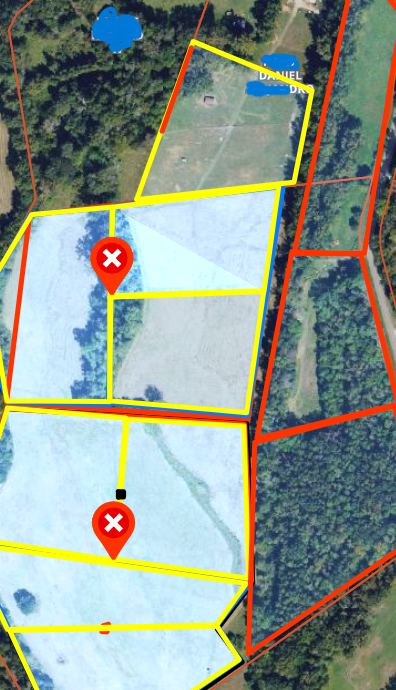
We want to explain how we practice regenerative agriculture. We manage our pastures using a 10-paddock system created with temporary electric wire, ensuring our livestock graze sustainably. Our goal is to be transparent about how our food is produced so we’ll share our methods, challenges, and the infrastructure that keeps it all running.

The Grazing Design
Our farm is currently divided into 10 paddocks designed to control stress on our pastures. There are several factors to determine when a paddock needs rest by moving animals away, they include:

  • How much grass has been eaten or trampled?
  • Is manure accumulating excessively?
  • Are there bare spots exposing soil?
  • Is the paddock too wet or dry?
  • What’s the parasite pressure to high?
  • Is there enough shade or shelter?
  • How fast is the grass growing?

A simple rule of thumb guides us: when grass grows fast, we move livestock every 3–7 days, allowing 10+ weeks of rest per paddock. In cooler seasons, we extend rest periods as roots recover more slowly. Like our ancestors, we’re modern herders moving animals to fresh pastures.

Adapting to Challenges
Sometimes, we pause grazing during floods, droughts, infrastructure damage, or winter. During these times, we use a “sacrifice paddock”—a designated area that can be overgrazed and overstressed to protect the rest of the farm. With care, it recovers once normal rotation resumes.

Infrastructure Essentials
Water, shelter, and boundaries are critical. Water can be provided via buried lines, streams, swales, or hoses. Richard Perkins has an amazing book called Regenerative Agriculture, an amazing guide for anyone interested in growing great food. Minerals are also key infrastructure—most soils lack them. We supplement with Redmond’s Sea Salt, 60 trace minerals in biologically consistent concentrations the body. We plan to try Thorvin’s Sea Minerals from Icelandic kelp for added health benefits.

Raising Pigs Naturally
Unlike our rotational grazing, we raise pigs true to their nature—mud bathing, rooting, and eating insects and roots. We source non-GMO feed from Resaca Sun in Georgia. Their efforts
to grow crops that aren’t directly sprayed with herbicides is commendable. Non-GMO feed is mixed with donated grocery store produce, which results in healthy animals and flavorful, high-quality pork.

Grassfed, Grassfinished Beef.

What is Grass-Finished Beef?

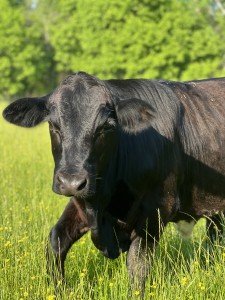
Our Grass-finished beef comes from cattle that spend their entire lives grazing on pasture, eating grass and forages. Unlike most conventional beef, which spends its final year in feedlots on a grain-heavy diet to maximize fat content, grass-finished beef is raised naturally. This method has gained popularity due to its health benefits for humans, its environmental, and social advantages.

Why Has It Gained Popularity?

Grass-finished beef is often considered healthier than grain-finished beef, offering more anti-inflammatory properties compared to the inflammatory profile of grain-fed meat. Basically
more vitamins, minerals, and healthier fat with less risk of toxins. Regenerative farming practices, which many grass-finished programs adopt, benefit ecosystems by reversing damage from conventional methods. These ranches can be carbon-negative and support rural communities affected by centralized food production.
Key Differences from Conventional Beef

  • Nutrition and Marbling: Grass-finished beef has a different nutritional profile, with leaner meat and higher omega-3s, antioxidants, and anti-inflammatory compounds compared to the fattier, omega-6-rich conventional beef.
  • Community Impact: Grass-finished programs strengthen local economies and communities.
  • Ecosystem Benefits: Regenerative grass-finished practices enhance soil health and biodiversity.
  • Animal Welfare: Well-managed programs allow cows to live naturally, improving their health and enriching the meat’s nutrient content.

Taste Profile

We find grass-finished beef delicious, with a richer, earthy flavor that pairs wonderfully with the smoke of a grill. As a leaner meat, but its not difficult to make tender. The resulting meals are very satisfying.

Does Grass-Finished Mean No Grains?

Our cattle are raised and finished on pasture with a strict rotational grazing program, supplemented only with donated grocery store produce—no grains currently. However, “grass-finished” doesn’t always mean zero grains. In the past, we’ve used non-GMO grain supplements, but since our cows are always on fresh pasture, the beef retains high levels of omega-3s, antioxidants, and anti-inflammatory benefits. Any grain use is minimal, preserving the nutrient density and increasing marbling.

How Much Meat Do You Get?

A cow yields about 40% of its live weight in meat. For a 1,000-lb steer, expect approximately 400 lbs from a whole and 200 lbs from a half. Purchasing a whole or half offers a variety of customizable cuts, including popular options like Ribeyes, T-Bones, Filet Mignon, Roasts, and ground beef. We’ll assist with your butcher’s cut sheet. Meat can be picked up at the butcher or delivered to your doorstep when ready

Conclusion

Grass-fed, grass-finished beef offers a healthier, tastier alternative with benefits for both people and the planet. Contact us to learn more or place an order!

Forest Raised Pork.

Lorem ipsum dolor sit amet, consectetur adipiscing elit, sed do eiusmod tempor incididunt ut labore et dolore magna aliqua. Ut enim ad minim veniam, quis nostrud exercitation ullamco laboris nisi ut aliquip ex ea commodo consequat. Duis aute irure dolor in reprehenderit in voluptate velit esse cillum dolore eu fugiat nulla pariatur.

Supplementing with Grocery Produce.

Boosting Livestock Nutrition with Donated Produce

Introduction
We are fortunate to receive donated produce, a vital resource for feeding our livestock. This produce, often removed from store shelves on or before its expiration date, includes day-old items and occasionally damaged goods donated prior to expiry. This practice not only reduces food waste but also provides an excellent nutritional supplement for our animals.

The Value of Donated Produce
The donated produce enriches our livestock’s diet with essential nutrients. In this article, we highlight two key nutrients our animals benefit from: fiber and anthocyanins.

Fiber: Supporting Digestive Health
Fiber, an undigested carbohydrate, passes into the lower intestine where gut microbes ferment it into butyrate—the primary fuel for colon cells. Without butyrate, colon cells die off, leading to thin, leaky gut walls that allow bacteria and toxins into the bloodstream, causing widespread inflammation. Below are the top 10 diseases linked to systemic inflammation:

  • Heart Disease (Atherosclerosis): Chronic inflammation causes plaque buildup in arteries, with inflammatory cytokines damaging vessel walls and narrowing arteries.
  • Type 2 Diabetes: Inflammatory signals disrupt insulin signaling, leading to insulin resistance, often tied to obesity and poor gut health.
  • Obesity: Visceral fat secretes pro-inflammatory cytokines (e.g., TNF-α, IL-6), worsening metabolic health.
  • Alzheimer’s Disease: Neuroinflammation from microglial activation and systemic markers accelerates amyloid plaque and neuronal damage.
  • Autoimmune Diseases (e.g., Rheumatoid Arthritis, Lupus): Systemic inflammation defines these conditions as the immune system attacks healthy tissue.
  • Depression: Elevated markers like CRP and IL-6 alter neurotransmitter metabolism and brain function.
  • Cancer (Certain Types): Chronic inflammation creates a microenvironment supporting tumor growth (e.g., colon, liver, pancreatic cancers).
  • Chronic Kidney Disease: Inflammation contributes to glomerular damage and fibrosis, often secondary to diabetes or hypertension.
  • Non-Alcoholic Fatty Liver Disease (NAFLD): Fat accumulation progresses to NASH, driven by inflammatory mediators causing fibrosis.
  • Asthma / COPD: Chronic airway inflammation causes bronchial hyperreactivity, with systemic inflammation playing a role in severe cases.

Anthocyanins: Powerful Antioxidants
Anthocyanins, the pigments giving berries their vibrant colors, offer significant health benefits:

  • Reduce Inflammation: Suppress NF-κB (a master inflammation switch) and inhibit COX enzymes, similar to NSAIDs.
  • Support Gut Health: Promote beneficial bacteria (e.g., Akkermansia, Bifidobacteria) and strengthen the intestinal barrier.
  • Cardiovascular Benefits: Improve blood vessel function via nitric oxide and lower oxidized LDL.
  • Neuroprotective Effects: Cross the blood-brain barrier, reducing oxidative stress and enhancing memory.

These nutrients significantly improve our pigs’ health. Healthier livestock translates to higher-quality meat, making our pork exceptionally nourishing.

Conclusion
Incorporating donated produce into our livestock’s diet is a sustainable practice that enhances their well-being and the quality of our products. Stay tuned for more updates on our farming journey!